
Planning a wedding is exciting! But once you start looking at everything that needs organising, it can feel like a lot to take on… From booking your suppliers and choosing your outfits to sending invitations and finalising the table plan, there are plenty of things to think about.
The good news is you don’t need to do everything at once. In fact, there are some tasks you actually won’t be able to do until much nearer to the big day. We’ve put together this wedding planning timeline to help guide you through what to think about and when, so you can spread the jobs out, enjoy the planning process and look forward to your wedding day without feeling overwhelmed. Every wedding is unique, and everyone plans individually with different aims and timescales. Use this as a guide rather than a strict set of rules, and remember that we and your suppliers are all here to help make this your best day ever!

Photo: Jon Warr Photography
Wedding Planning Timeline at a Glance
Here’s a quick summary of what to consider organising and when. Read on for more details!
- Your first month of engagement
Celebrate, define your vision, draft your guest list and build a realistic budget, book venue tours. - 12–9 months before (or straight after booking your venue, whichever is sooner)
Book your registrars and key suppliers, including your photographer and entertainment. Get wedding insurance and start shopping for wedding outfits. - 9–6 months before
Plan timings for the day, book your remaining suppliers, discuss flowers and styling, choose your wedding rings and start planning your stationery. - 6 months before
Send your wedding invitations, plan your ceremony and book your appointment to give notice. - 5–3 months before
Arrange your hair and make-up trials, confirm your wedding cake design, discuss final flower arrangements and start your table plan. - 2-1 months before
Confirm guest numbers and timings with your venue, start creating your final table plan. - The final month
Confirm supplier arrangements, collect your outfits, finish your on-the-day stationery, finalise your table plan. - The week of your wedding
Check final timings, prepare your essentials, delegate last-minute tasks and make time to relax.
Your first 30 days after getting engaged
Before you dive into the detailed planning, take some time to enjoy being engaged!
Start by thinking about the kind of wedding you’d love to have, the people you want to share it with and the budget you’re comfortable working with. You might also want to start putting together a rough guest list and visiting potential venues.
We’ve covered these first steps in more detail in our guide to the first 30 days of engagement.
Once you’ve chosen your venue and secured your wedding date, you can start working through the rest of your wedding planning checklist.

Photo: Jon Warr Photography
As soon as you’ve secured your date with your venue: Book the important things
With your venue and date secured, it’s time to start booking the suppliers who will help bring your wedding day together.
Some suppliers only take one booking per day, and popular photographers, bands and florists can be booked up well in advance, particularly for summer Saturdays.
Your checklist
- Arrange wedding insurance
Take out appropriate cover early, particularly before making substantial deposits. - Book your ceremony
If you’re having a civil ceremony, contact the register office to enquire about registrar availability.
Note: registrars are booked from the venue’s local office, regardless of where you live. Registrars for weddings at Cott Farm are booked from Somerset Registration Service at Somerset Council (Send a Ceremony Booking Request to Somerset Registration Service here and select ‘Cott Farm’ for the venue).
If you’re having a religious ceremony, speak to your church or other place of worship. If you’re having a symbolic celebrant-led ceremony (as opposed to a legal wedding), start researching celebrants whose style you love. - Book your photographer and videographer
Look through their portfolios carefully and choose someone whose style matches the memories you want to create. - Book your entertainment
Whether you’re imagining a live band, a DJ, acoustic musicians or something a little different, popular entertainers can get booked up quickly. - Start shopping for wedding outfits
Wedding dresses, made-to-order suits and alterations can take several months, so it’s worth starting early. - Research your florist
Start collecting inspiration for your flowers, bouquets, buttonholes and table arrangements. If you have a particular florist in mind, enquire about their availability now. - Think about accommodation
If you’re not camping and glamping, consider where guests will stay and whether they’ll need transport. (See nearby accommodation for our recommendations)
This is also a good time to start thinking about your overall wedding style. You don’t need every detail decided, but having a general idea of the atmosphere you want will help when choosing flowers, stationery, decorations and entertainment.

Photo: Jon Warr Photography
9–6 months before your wedding: Bring your ideas together
Now you have your venue, date and some of your key suppliers booked. It’s time to start making decisions about the details that will make your wedding feel personal to you.
Your checklist
- Plan your wedding day running order
We’ll send you a suggested order of service for the day based on your ceremony time. This will include suggested timings for your ceremony, drinks reception and photographs, wedding breakfast, speeches, cake cutting, first dance, evening food and evening entertainment. - Book your remaining suppliers
This might include your florist, cake maker, hair and make-up artist, transport, photo booth or other entertainment. See Alternative Wedding Entertainment Ideas Your Guests Will Actually Remember - Meet with florist
Discuss your preferred flowers, colours, seasonal availability and budget. Share photographs of your venue and any styling ideas you’ve collected. - Order your wedding outfits
If you haven’t already, now is a good time to make your final choices to allow time for delivery and alterations. - Choose your wedding rings
Consider styles, sizing, engraving and any special finishes you would like. - Start planning your stationery
Think about invitations, order-of-service booklets, menus, place cards and table names or numbers. - Plan your honeymoon
If you’re travelling soon after the wedding, start researching flights, accommodation and travel documents. - Decide on your wedding breakfast menu
Discuss options, dietary requirements and any special requests for your menu with your venue (see food and drink here.)
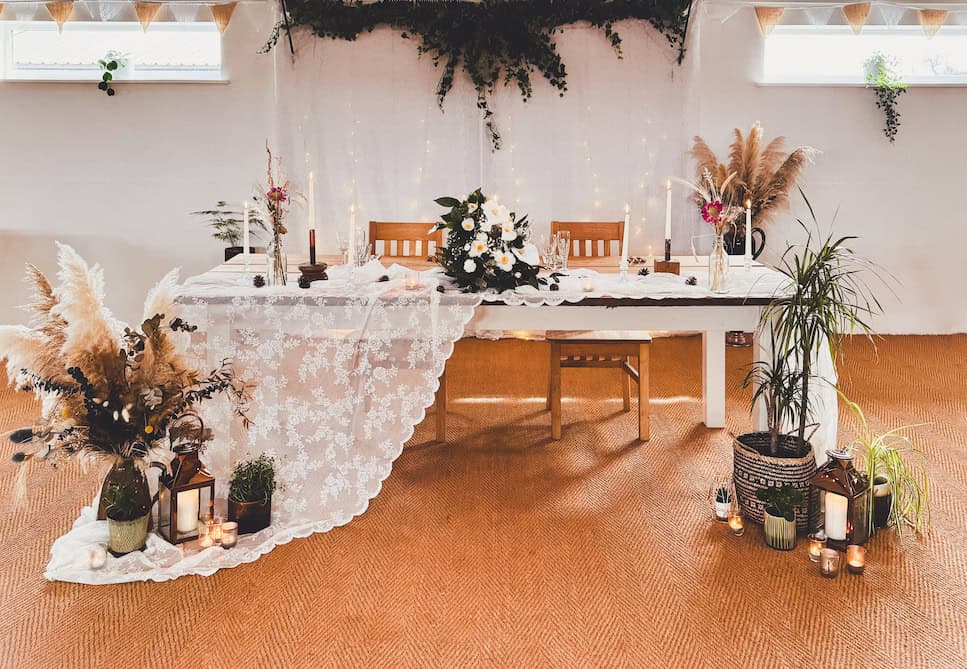
Photo: The Barn at Cott Farm
6 months before your wedding
With six months to go, it’s time to start bringing some of the practical details together. For many weddings, sending invitations around six months before the date gives guests plenty of time to make arrangements, particularly if they’re travelling or need to organise accommodation.
Your checklist
- Send your wedding invitations with an RSVP deadline
Include the date, time, venue address, RSVP instructions and any important details about the day. We suggest your RSVP deadline is no later than two months before to give you a couple of weeks to chase replies before giving us your final confirmed numbers, menu choices and dietary requirements six weeks before. - Check your dress or suit dates
Check delivery dates and any fitting appointments still to come. - Finalise your ceremony plans
Choose readings, music and any personal touches you’d like to include. - Make a list of the decorations and extras you’ll need
This could include table decorations, a guest book, signage, favours or other finishing touches. Check what your venue already has before ordering extras (see Cott Farm’s decorations here)
Read our guide to wedding invitation details for advice on wording, guest names, RSVPs, gifts and all those useful extras.
When should you give notice of marriage?
For most civil marriages in England and Wales, you must give notice at least 29 days before your ceremony, and you can normally give notice up to 12 months in advance. Around six months before your wedding is a sensible time to check the requirements and arrange your appointment, leaving plenty of time to gather the necessary documents.
If you’re marrying in the Church of England or Church in Wales, the process may be different, so check the legal arrangements with your vicar. Requirements can also vary depending on your circumstances. See the official GOV.UK guide to giving notice.
See Giving Notice of Marriage in the UK – A guide for couples

Photo: Sam Box Photography
5–3 months before your wedding
Your wedding is starting to feel much closer now! This is the time to move from collecting inspiration to making decisions. You don’t need to have every tiny detail finalised, but you should be getting a clear picture of how the day will run.
Your checklist
- Arrange transport if needed
Confirm how you and your wedding party will get to (and from, if relevant) the venue. - Have your hair and make-up trials
This gives you time to try different looks and make adjustments before the wedding. Bring inspiration photographs and consider how your chosen style will work with your outfit and the overall feel of the day. - Finalise your cake design
Confirm the flavours, size, decoration, delivery arrangements and any cake stand or display requirements with your cake maker. - Confirm your flower choices
Including quantities, arrangements and delivery or set-up timings (florist installations usually happen during Friday set up at Cott Farm). - Choose your ceremony music and readings
Confirm your choices with your registrar, celebrant or officiant. See suggestions for 20 Alternative Wedding Songs to Walk Down the Aisle To… - On-the-day stationery
Start planning place cards and table numbers, and any custom signs. - Think about your first dance
Choose a song you both love, and decide whether you’d like to practise beforehand. See 20 First Dance Songs That Aren’t Cheesy - Start a rough table plan
You don’t need to know exactly where everyone will sit yet – in fact we recommend not planning this until every RSVP is returned. But now’s a good time to consider your preferred table layout and any important family or accessibility requirements.

Photo: The Barn at Cott Farm
2–1 months before your wedding
This is when the practical details become more important. You’ll be gathering information, confirming numbers and making sure everyone knows what’s expected.
Your checklist
- Plan any speeches
Give your speakers a gentle reminder to start preparing, particularly if they’re nervous about public speaking. - Chase outstanding RSVPs
Not everyone will respond by your deadline, so give yourself time to follow up. - Confirm your guest numbers with your venue
Confirm final numbers, dietary requirements and menu choices with us around six weeks before. - Draft your table plan
Once you have a clearer idea of who is attending, decide where everyone will sit. - Confirm your ceremony arrangements
Check the time, location, music, readings and any paperwork still required. - Arrange final outfit fittings
Your dress or suit may need alterations, so attend the appointments recommended by your supplier. - Confirm your flowers and styling
Check the final details with your florist, stylist or other suppliers. - Check accommodation and transport
Make sure any bookings, taxis, coaches or overnight arrangements are in place.
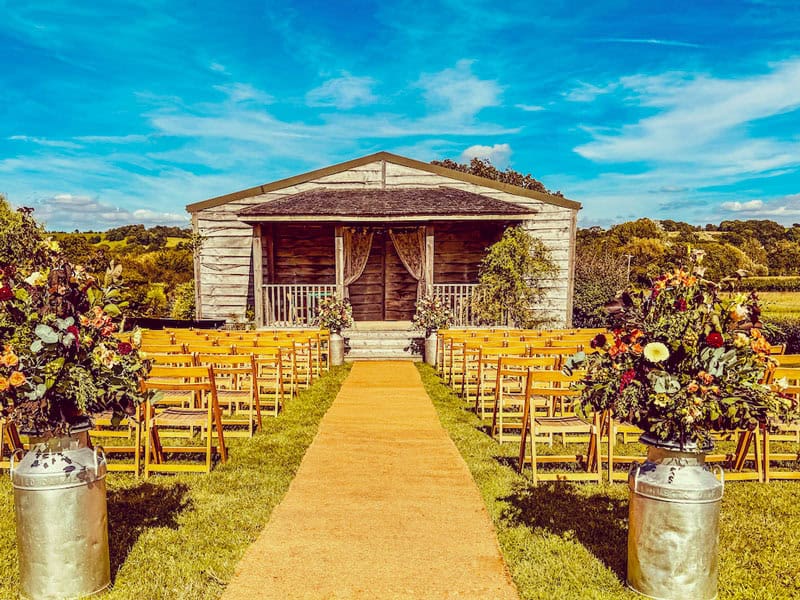
Photo: The Barn at Cott Farm
The final month before your wedding
You’re nearly there! The focus now is on checking the details, confirming arrangements and making sure you’re ready to enjoy the day.
Your checklist
- Confirm every supplier booking
Check access arrangements, delivery details, outstanding balances and contact numbers. - Share your wedding day running order and key contacts Make sure your relevant suppliers have the information they need.
- Finalise the table plan and stationery
Confirm spellings, table numbers, seating arrangements and any last-minute changes. - Collect your wedding outfits
Try everything on, including shoes and accessories, to make sure it all fits comfortably. - Break in your wedding shoes
Wear them around the house so they’re more comfortable on the day. - Finish your beauty preparations
Stick to your usual skincare routine, keep yourself hydrated and avoid experimenting with new treatments or products that might irritate your skin. - Confirm your hair and make-up timings
Make sure your wedding party knows when and where they need to be ready. - Prepare anything you need to take to the venue
This might include decorations, guest books, signage, favours, accessories or personal items. - Arrange who is doing what on the day
Make sure someone other than you is responsible for any guest/supplier queries for the whole day. We typically ask for contact details for your best man and maid of honour as a minimum. - Check the final payments
Make sure any remaining balances and security deposits are paid by the deadlines in your supplier contracts.
Most importantly, try to leave yourself some breathing space. You don’t want to spend the last few days before your wedding rushing around completing jobs that could have been done earlier!

Photo: DHW Photography
The week of your wedding: Time to enjoy it!
The final week is about checking the essentials rather than introducing lots of new plans.
- Check the weather forecast and consider any changes needed for outdoor arrangements – at Cott Farm this includes deciding where you’d like your ceremony to take place according to various weather scenarios.
- Confirm final timings and contact details with key suppliers.
- Make sure outfits, rings, accessories and important documents are ready.
- Delegate any remaining set-up jobs.
- Make time to eat properly, drink water and get some rest.
- Take a moment together to enjoy the fact that you’re getting married!
Your wedding day: No checklist – let someone else take the lead
After months of planning, your wedding day has finally arrived.
You’ve put the time into choosing your venue, suppliers, food, music and all those personal touches. Now it’s time to enjoy them. Hand over responsibility for the running order and any last-minute questions to your wedding coordinator (with a trusted member of your wedding party as their contact). You shouldn’t need to spend your wedding day answering supplier calls or organising decorations.
Things might not happen exactly as you imagined, and that’s okay. The most important thing is that you’re marrying the person you love, surrounded by the people you want to share it with.
A wedding planning timeline is a guide, not a rulebook
Wedding planning timelines are helpful, but they shouldn’t dictate how you plan your day. Some couples will have everything organised months in advance, while others will make decisions closer to the wedding.
If you’ve got less than 12 months to plan, don’t panic… We’ve planned weddings in fewer than three months and are here to help you! Prioritise booking your venue, ceremony and key suppliers, then work through the remaining details in order of importance.
And if you’re planning a longer engagement, there’s no need to rush through everything at once. Enjoy the process, make decisions together and remember that your wedding should reflect the two of you.
The aim isn’t to create a perfectly choreographed event. It’s to create a day that feels like you: relaxed, meaningful and full of moments you’ll remember for years to come. And remember, you don’t have to do everything alone. Ask for help when you need it, lean on your suppliers’ experience and make sure you leave some time to actually enjoy being engaged, too!

You may also like…
The First 30 Days of Engagement: Planning a Wedding

You may also like…
Details to Include on your Wedding Invitation
Ready to Start Planning Your Perfect Day?
Every couple is unique, and so is your wedding. Our transparent pricing calculator helps you explore options that work perfectly for your vision and budget – no hidden surprises, just clear pricing for your dream day.
Questions?
We’d love to chat about your wedding plans!
Book Your Viewing
